
Residential Structural Inspections
Ensuring Safety, Stability & Peace of Mind in Your Home
Residential Structural Evaluations That Protect Your Home

A residential structural inspection is one of the most important steps homeowners can take to safeguard their property and investment. These inspections are designed to uncover structural issues, foundation concerns, and hidden damagethat could compromise your home’s safety or long-term value. Whether you’re buying, selling, or maintaining your property, a comprehensive structural inspection provides the insight needed to make informed decisions—ensuring your home remains safe, sound, and compliant with building standards.
At Axiom Structures, we specialize in residential structural inspections across Fort Lauderdale and South Florida. Our licensed structural engineers use advanced diagnostic tools and a meticulous, detail-oriented approach to evaluate every component of your home’s structure. From foundation to framing, we focus on identifying potential issues early, helping homeowners prevent costly repairs and maintain a strong, stable property for years to come.
Our Residential Structural Inspections Include
Foundation Stability
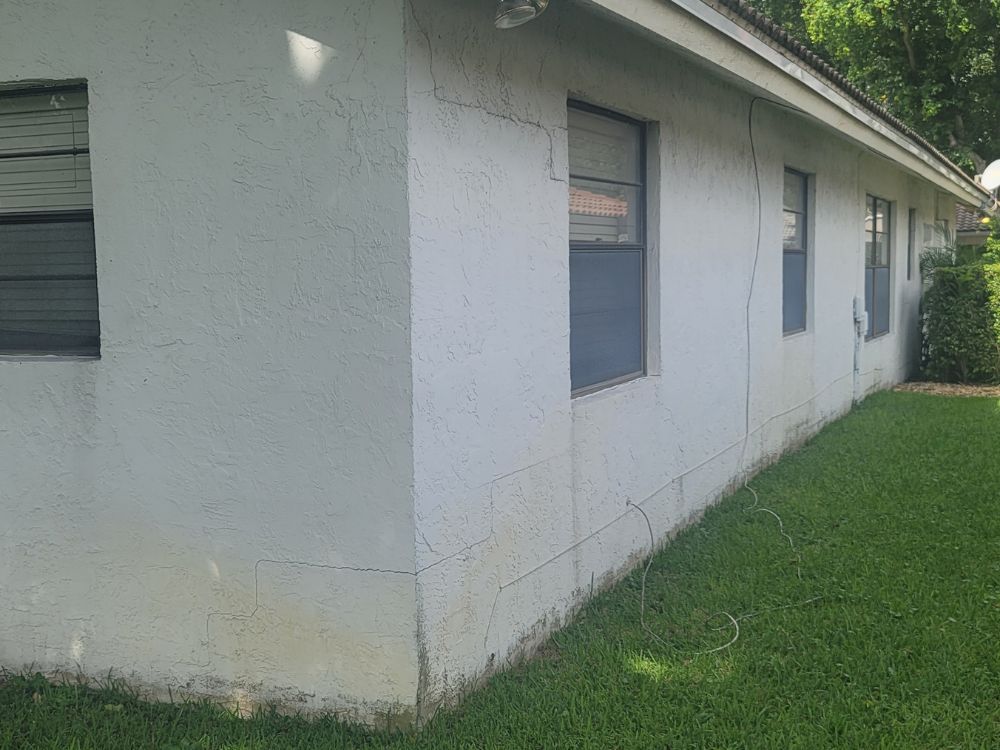
Framing & Load-Bearing Walls

Roof Structure & Trusses
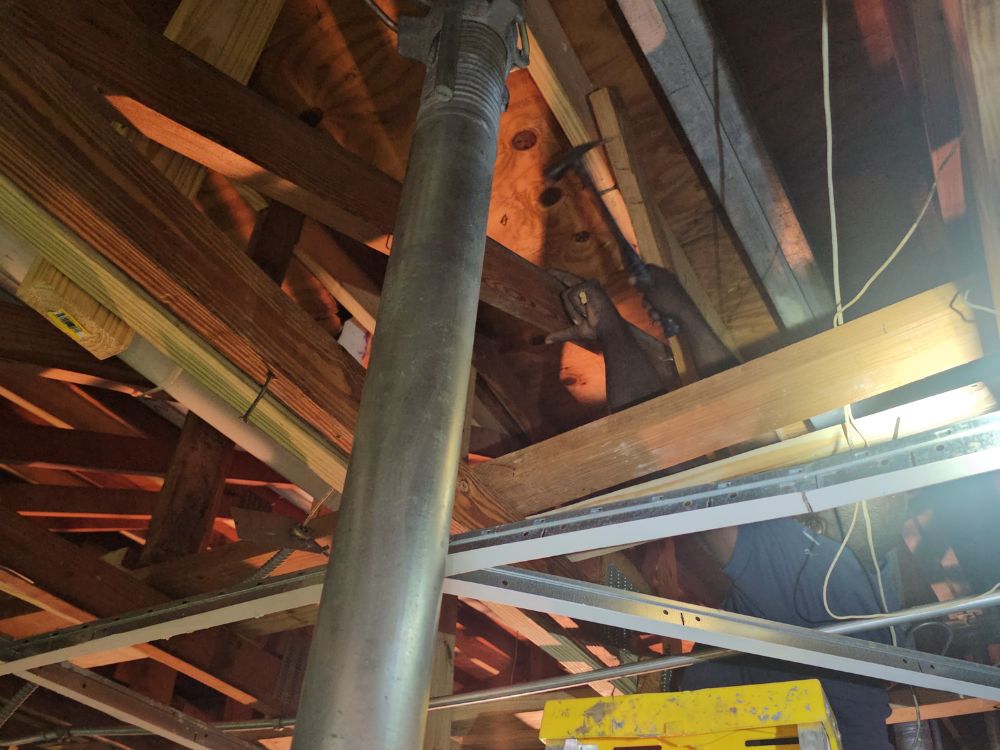
Structural Damage
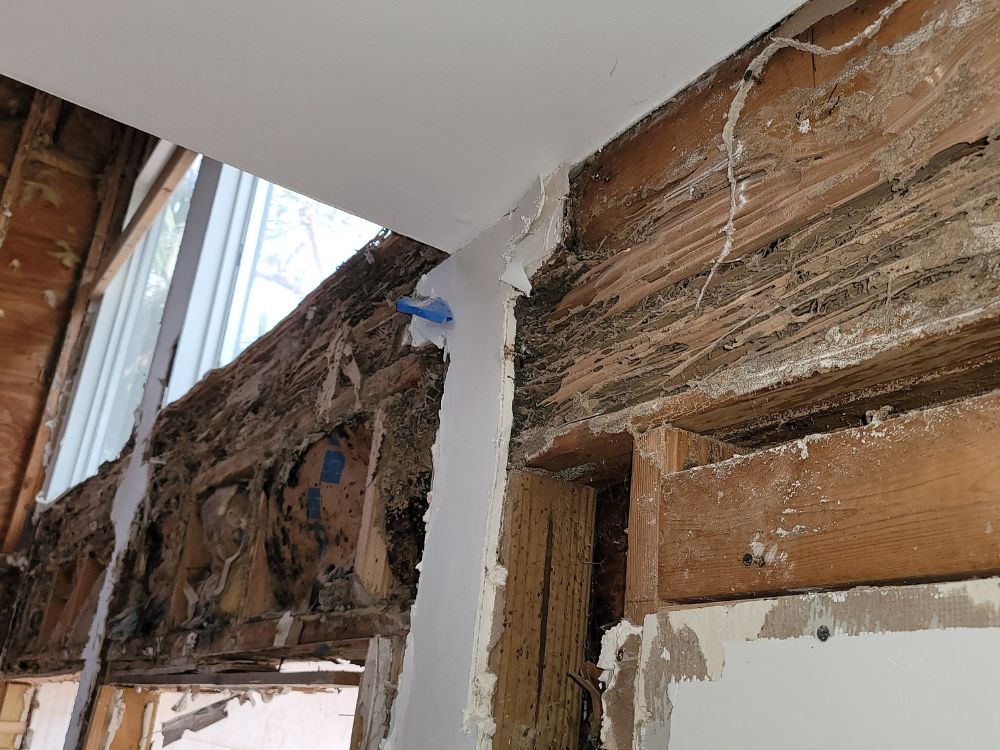
Hurricane & Storm Damage

Construction Code Compliance
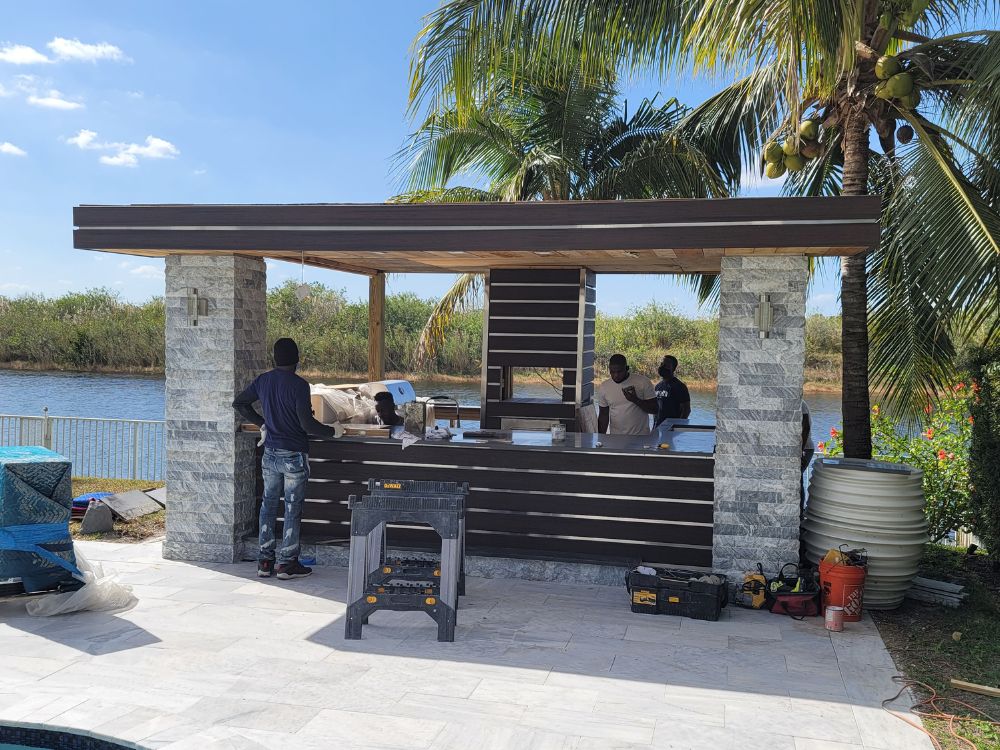
The Axiom Structures Inspection Process For Homes
1
Initial Consultation
We review your concerns, property history, and visible issues.
2
Structural Assessment
Our engineers conduct a full evaluation using precision tools and visual inspection.
3
Engineering Analysis
We document findings, analyze load paths, and determine structural soundness.
4
Detailed Inspection Report
You receive a clear, comprehensive report with photos, data, and repair guidance.
5
Follow-Up Consultation
We discuss results, answer questions, and recommend next steps if needed.
Residential Structural Inspection FAQs
1. What’s the difference between a home inspection and a residential structural inspection?
A home inspection focuses on a property’s general systems—such as plumbing, electrical, HVAC, roofing, and interior finishes. A residential structural inspection, however, dives deeper into the stability, safety, and integrity of the home’s structure. Conducted by a licensed structural engineer, this type of inspection evaluates load-bearing elements like foundations, beams, columns, and framing. The goal is to identify any structural weaknesses, foundation movement, or damage that could compromise the home’s safety or long-term value. Home inspections give a surface-level overview, while structural inspections provide the expert analysis needed to ensure your home is truly sound.
2. When should I schedule a residential structural inspection?
You should schedule a residential structural inspection if you notice any warning signs of structural distress, such as:
- Cracks in walls, ceilings, or foundations
- Uneven or sagging floors
- Doors and windows that stick or won’t close properly
- Water intrusion, mold growth, or wood rot
- Visible foundation shifting or settling
Structural inspections are also highly recommended when buying or selling a home, after severe weather, or before major renovations that could affect load-bearing components. Early detection of structural problems helps prevent small issues from escalating—saving you thousands in repairsand ensuring your home remains safe and stable.
3. How often should I get my home inspected by a structural engineer?
Most homeowners should schedule a professional structural inspection every 5 to 10 years, depending on the age and condition of the home. However, in Fort Lauderdale and throughout South Florida, homes are often exposed to high humidity, hurricanes, coastal moisture, and soil movement—factors that can accelerate structural wear. For these reasons, local homeowners may benefit from more frequent structural inspections, especially after major storms or visible foundation movement.
4. How long does a residential structural inspection take?
A typical residential structural inspection takes between 1 and 3 hours, depending on your home’s size, design, and any areas of concern. During the inspection, the structural engineer will thoroughly assess foundations, framing, load-bearing walls, roofing structure, and visible support systems. You’ll receive a comprehensive written report within a few business days, which includes detailed findings, photographs, and professional recommendations for repairs or maintenance if needed.
5. What does a residential structural inspection report include?
A residential structural inspection report provides a clear, detailed summary of your home’s structural condition, outlining:
- Identified issues or areas of concern, structural damage or design flaws
- Recommended corrective actions or repairs
- Supporting photographs and structural analysis
This report serves as a trusted reference for homeowners, buyers, sellers, and even insurance providers—offering professional insights that help guide safe, cost-effective decisions about your property.
Schedule Your Residential Inspection Today
Whether you’re planning renovations, preparing to buy or sell, or simply ensuring your home’s long-term stability, Axiom Structures delivers professional insight you can trust.